Sustainability
& Ecotourism
Preserving South Africa's natural heritage through responsible forestry, empowering communities, and inviting the world to experience our extraordinary landscapes.
Sustainable by Design
SAFCOL's sustainability approach is built on three pillars — Our People, Our Communities, and Our Environment — a triple-bottom-line approach that ensures lasting value for people, planet and prosperity.
Our People
Our workforce is the heartbeat of SAFCOL. We are committed to employee development, transformation, and creating a diverse, skilled workforce that reflects South Africa's potential.
Skills Training & Development
Comprehensive training programmes from bursaries and learnerships to on-the-job skills development, empowering employees to grow within the forestry sector.
Transformation & Empowerment
Driving B-BBEE compliance and employment equity across all levels, with targeted programmes for women and youth in forestry leadership roles.
Health & Wellbeing
Occupational health services, HIV/AIDS support programmes, and wellness initiatives ensuring every team member can thrive safely.

Our Communities
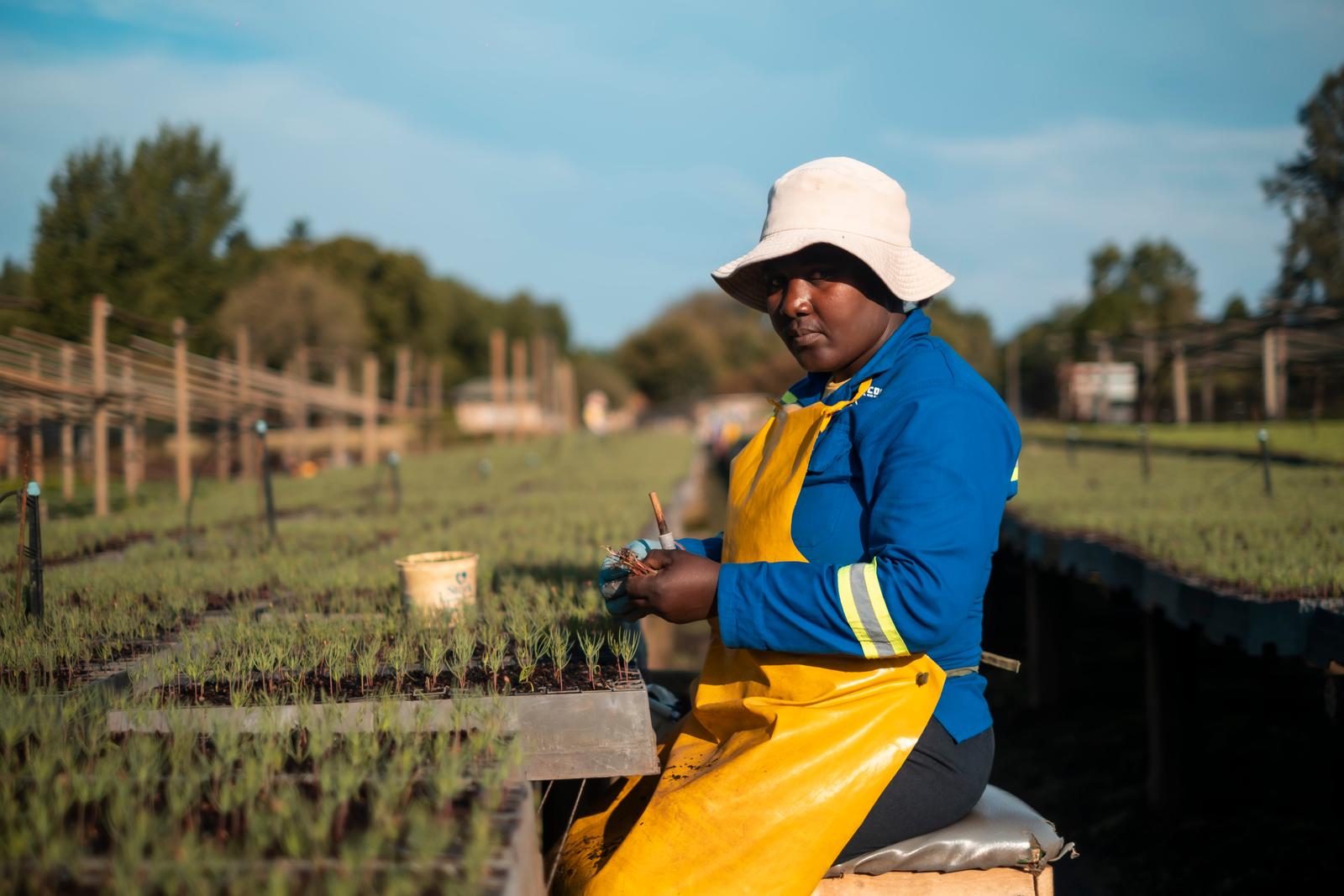
SAFCOL plantations are situated in some of South Africa's most rural areas, and about 57% of our plantations are directly affected by land claims. Our dedicated Land Risk Management Division works with claimant communities and government to achieve equitable, sustainable settlements alongside job creation and social upliftment programmes - including schools, clinics and early childhood development centres.
Community Development
Infrastructure projects, school renovations, and community facility upgrades in partnership with local government and traditional authorities.
Corporate Social Investment
Targeted CSI initiatives in education, health, sports development, and environmental awareness for communities across Mpumalanga and Limpopo.
Local Employment & Enterprise
Prioritising local hiring and SMME development, creating sustainable economic opportunities for historically disadvantaged communities.
Our Environment
As stewards of plantations across Limpopo, Mpumalanga, KwaZulu-Natal and Mozambique producing approximately 1,400,000 m³ of timber annually, we hold ourselves to the highest environmental standards. Every action is measured against its ecological impact.
Biodiversity
Active conservation of indigenous flora and fauna, invasive alien species removal, and dedicated biodiversity monitoring programmes across all estates.
Water Management
Responsible catchment management protecting critical water resources, wetland rehabilitation, and streamflow reduction activities in compliance with national regulations.
Carbon Footprint
Our managed plantations serve as vital carbon sinks. We continuously measure and reduce our operational emissions while maximising carbon sequestration.
FSC Certification
100% of SAFCOL plantation assets are FSC certified (FSC-C014310), ensuring environmentally appropriate, socially beneficial, and economically viable forest management.
Level 1 B-BBEE Contributor
As part of our commitment to the State's economic transformation agenda, SAFCOL actively supports the implementation of Government's Broad-Based Black Economic Empowerment (B-BBEE) policies, increasing the meaningful participation of previously disadvantaged South Africans across our forestry value chain.
In recognition of our sustained transformation efforts, SAFCOL has been independently verified as a Level 1 B-BBEE Contributor. This reflects strong performance across management control, skills development, enterprise and supplier development, and socio-economic development.
download Download B-BBEE CertificateIndependently verified
25,000 Lives Supported
Most of SAFCOL's operations are located in rural areas of South Africa, many of which remain underdeveloped. As a state-owned company, we operate as a commercially viable business while advancing Government's developmental agenda.
We support approximately 25,000 lives by creating employment, enabling small business development, and implementing social upliftment initiatives - including the construction of schools, clinics, early childhood development centres, and other community infrastructure.
Long-standing relationships with surrounding communities are formalised through social compacts that enable collaborative planning. The newly named Land Risk Management Division (formerly the Land Claims Division) coordinates engagement with land claimants and adjacent communities.
Through jobs, small business support and social upliftment programmes.
Land Risk Management Division
A significant portion of SAFCOL's plantations - approximately 57% - is affected by land claims. We have adopted a proactive community engagement model that integrates land claim beneficiaries into our value chain.
The Land Risk Management Division coordinates and facilitates the successful and timeous settlement of land claims, in strategic collaboration with the Department of Land Reform and Rural Development (DLRRD) under a mutually beneficial settlement model.
Three Improvement Areas
-
search
Research & Verification
Detailed research and verification of all land claims.
-
gavel
Gazetting of Valid Claims
Gazetting of all valid land claims through the appropriate channels.
-
eco
Sustainable Forestry Alignment
Alignment of settlement outcomes with sustainable forestry operations.
Agroforestry Initiatives
Agroforestry is one of SAFCOL's flagship sustainability programmes, supporting communities through alternative land-use practices that strengthen food security, household income and local enterprise development.
Mushroom Harvesting Programme
Community members are granted controlled access to SAFCOL forests to harvest indigenous mushrooms, sold to processing companies for seasonal income.
JDM Keet Agroforestry
Temporarily unplanted land at JDM Keet plantation allocated to local communities for the cultivation of jugo beans and groundnuts.
Subsistence Farming & School Nutrition
Support for subsistence and school-based vegetable gardens, enhancing nutrition programmes and household food security in rural communities.
Beekeeping in Plantations
Small-scale beekeepers establish hives within SAFCOL plantations, supporting honey-harvesting enterprises and enhancing biodiversity.
Catalysing Rural Economic Development
Our ESD programme supports aspiring entrepreneurs in formalising their business ideas into viable enterprises. Micro and small enterprises drive sustainable employment, income distribution and competitiveness in the communities surrounding our operations.
Access to Markets
Suppliers on the Supplier Development Programme qualify for specific procurement targets. The service is restricted to land claimants and local communities within SAFCOL's footprint, with extended services for SMEs supported through the Enterprise Development Programme.
Facilitation of Access to Finance
Contract funding and supplier arrangements qualify for loans. SAFCOL does not offer wholesale or retail in-house funding, but external funding can be pre-arranged with project partners. Grants for business start-ups may be considered.
Non-Financial Support
MSMEs receive a package of services ranging from technical mentorship and financial management to basic business support. Internal support is supplemented by external services where appropriate.
Sinikiwe Ithuba Primary Cooperative
"We have been given an opportunity"
Sinikiwe Ithuba Primary Cooperative is a shining example of transformation within the forestry value chain. Initially capacitated through SAFCOL's Learning and Development Division in furniture manufacturing, the cooperative progressed into the Enterprise Development programme and transitioned to becoming a supplier.
Their milestone delivery: 100 school desks for Ithole Primary School in Amsterdam, Mpumalanga - a previously disadvantaged school. This achievement affirmed the cooperative's ability to deliver quality furniture products within SAFCOL's supply chain.
Central to this success was the donation of high-quality lumber from SAFCOL's Timbadola Sawmill, coupled with technical mentorship from the Small Enterprise Development Finance Agency (SEDFA).
1,000 School Desks Programme: SAFCOL's furniture manufacturing flagship initiative trained 20 skilled youth at Timbadola Sawmill, producing 1,000 wooden desks, benches and bookshelves donated to schools within SAFCOL's footprint.
Ecotourism Destinations
SAFCOL manages some of the most spectacular natural attractions in Mpumalanga and Limpopo. From thundering waterfalls to ancient indigenous forests, discover the wild beauty within our estates.
Hiking Trails
Magoebaskloof
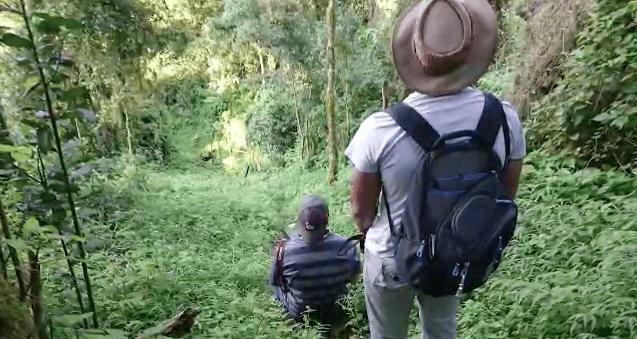
Wind through ancient indigenous forests and misty mountain passes in the heart of Limpopo. Multi-day trails through some of South Africa's most pristine woodlands.
Explore arrow_forward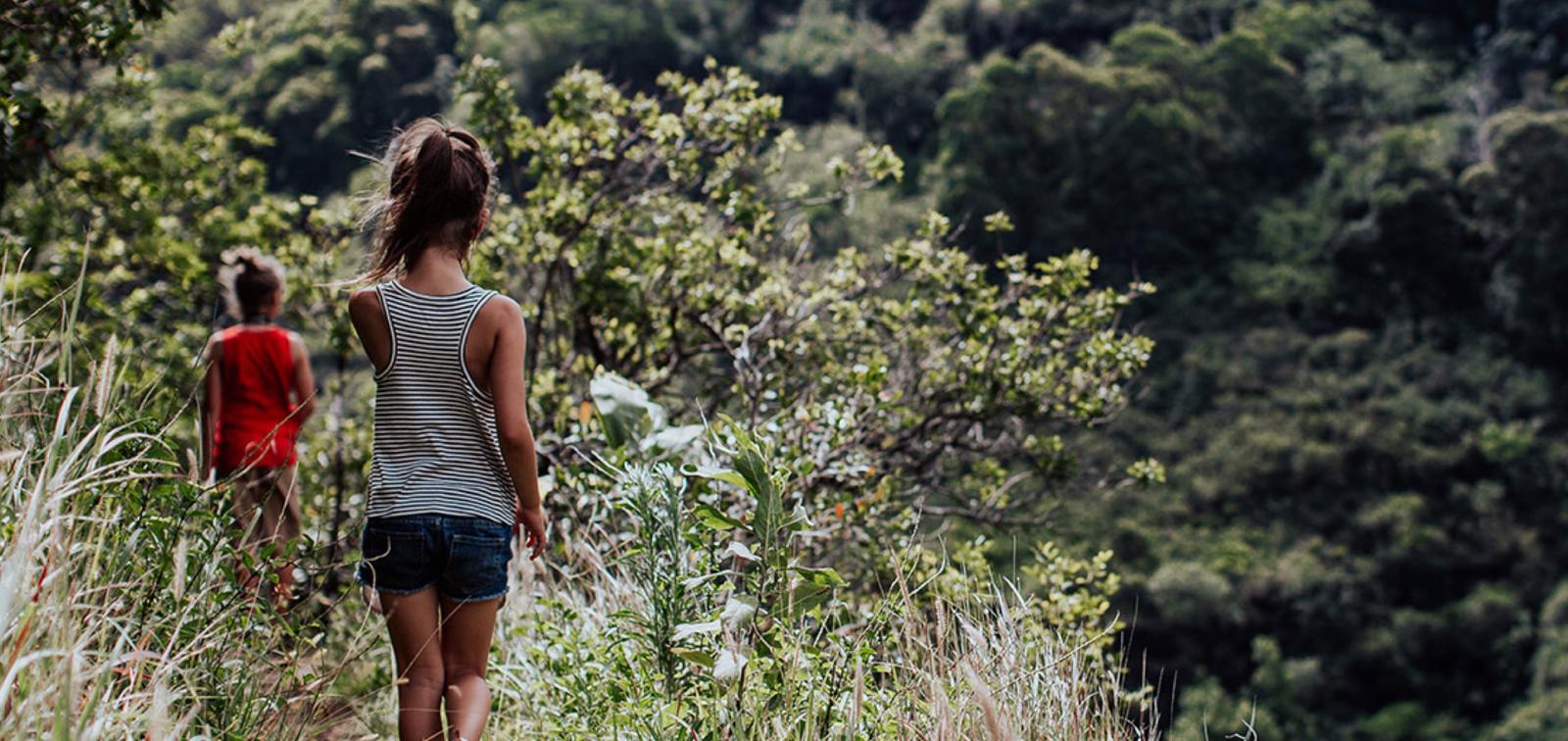
Kaapschehoop
Explore the wild horse country with panoramic escarpment views, granite rock formations, and encounters with the famous free-roaming horses of Kaapschehoop.
Explore arrow_forward
Fanie Botha
A legendary multi-day trail traversing plantation forests, indigenous woodland, and grasslands between Sabie and God's Window along the Drakensberg escarpment.
Explore arrow_forward
Uitsoek
A remote wilderness trail near Lydenburg offering rugged terrain, river crossings, and breathtaking views across the Mpumalanga highlands.
Explore arrow_forwardWaterfalls
 68m Drop
Lone Creek Falls
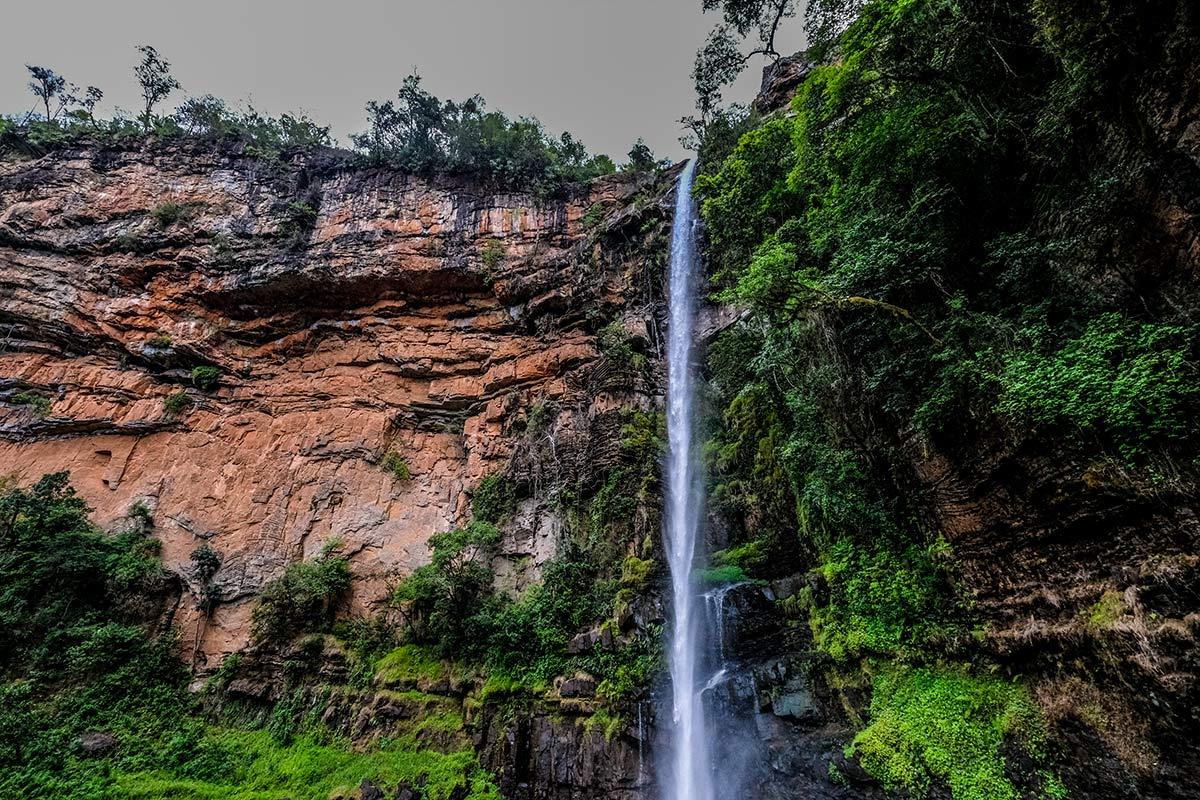
A magnificent 68-metre waterfall cascading into a forest pool near Sabie. An easy 500m walk through indigenous forest leads to this spectacular sight.
Explore arrow_forward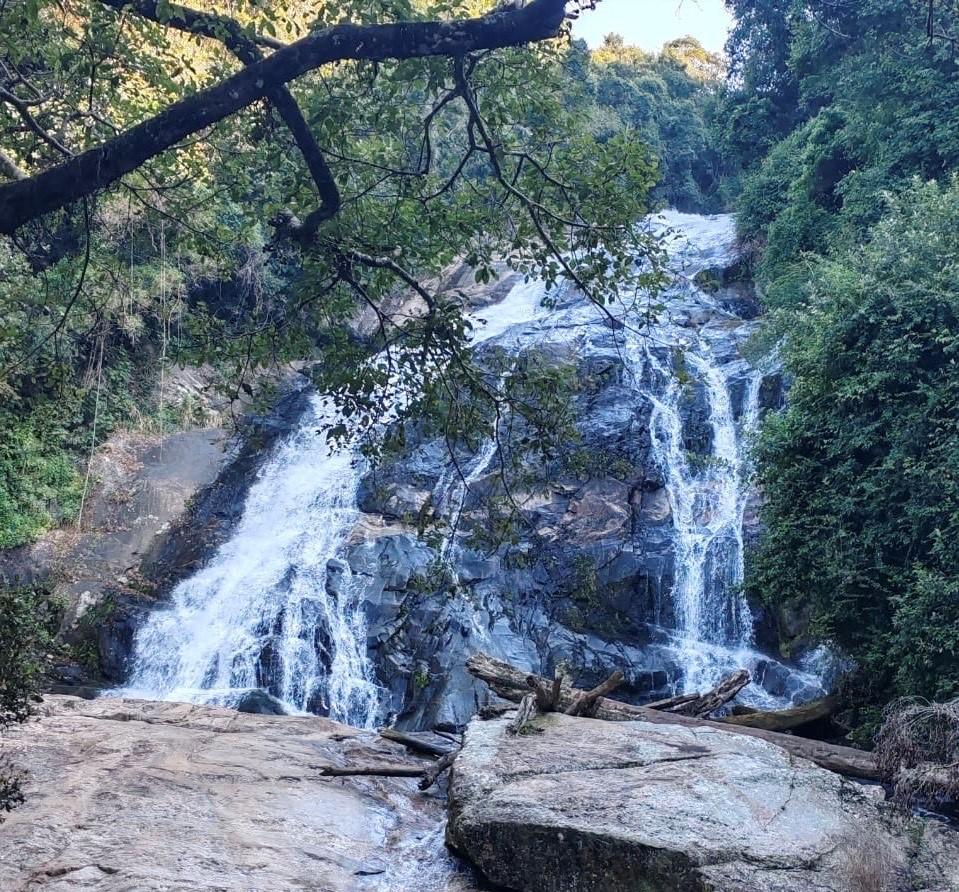
Bridal Veil Falls
Named for its delicate, veil-like cascade, this waterfall near Sabie offers a serene and photogenic setting surrounded by lush fern-draped cliffs.
Explore arrow_forward
Swimming
Mac Mac Pools
Crystal-clear rock pools perfect for swimming, set in a scenic gorge along the Mac Mac River. A popular family destination with braai and picnic facilities.
Explore arrow_forward
80m Drop
Berlin Falls
One of the tallest waterfalls in Mpumalanga at 80 metres, plunging into a deep, dark pool framed by towering cliffs and dense vegetation.
Explore arrow_forward
94m Drop
Lisbon Falls
The highest waterfall in Mpumalanga at 94 metres. A twin-stream cascade that thunders into a deep natural pool, accessible from a scenic viewpoint.
Explore arrow_forward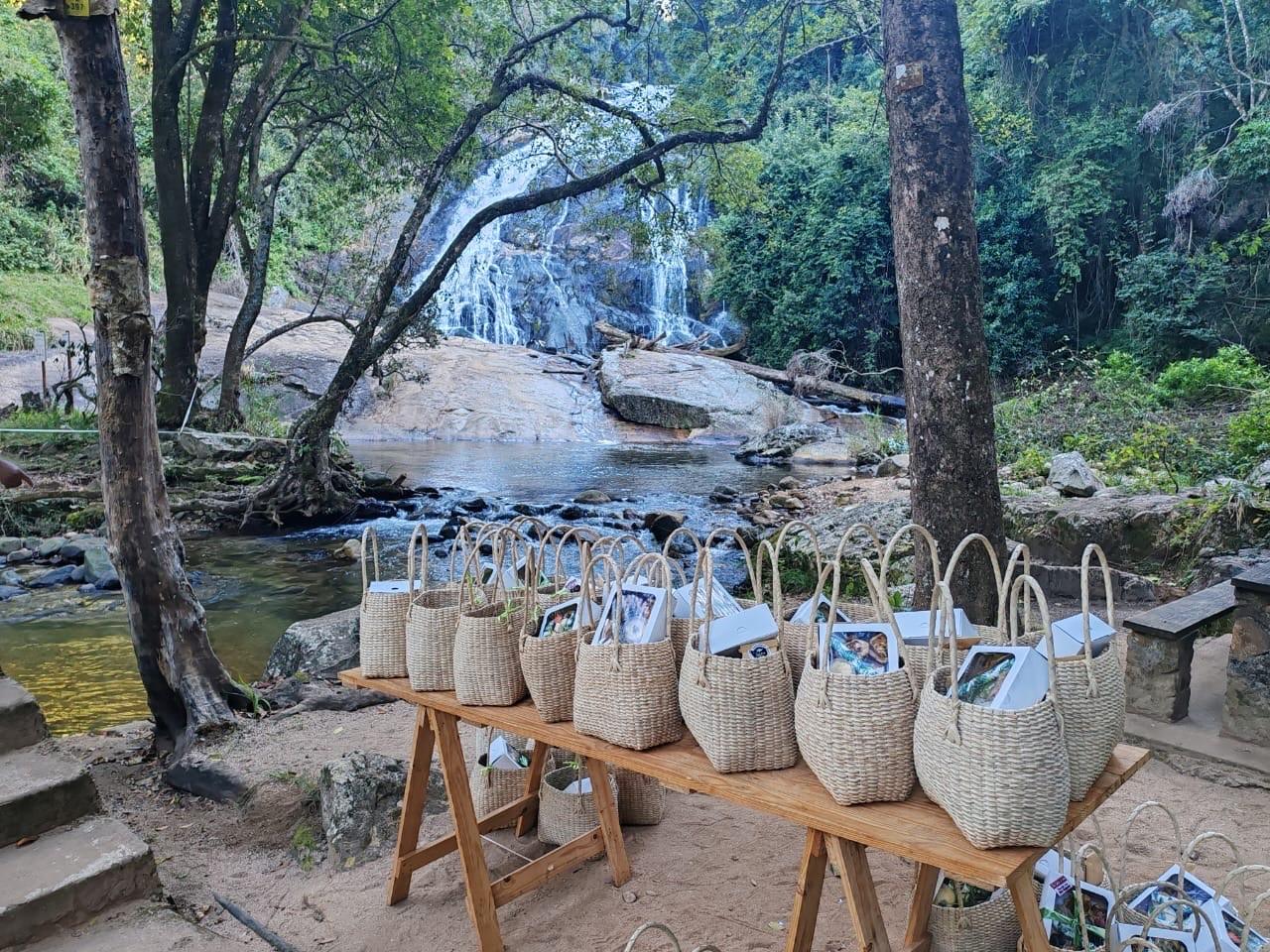
Debengeni Falls
A stunning cascade in the Magoebaskloof area of Limpopo, tumbling over ancient rock formations into a series of pools surrounded by indigenous forest.
Explore arrow_forward
Picnic Sites
Enjoy the outdoors at our well-maintained picnic spots across Mpumalanga, featuring braai facilities, clean ablutions, and shaded areas beneath towering trees. Ideal for families and groups.
Explore arrow_forward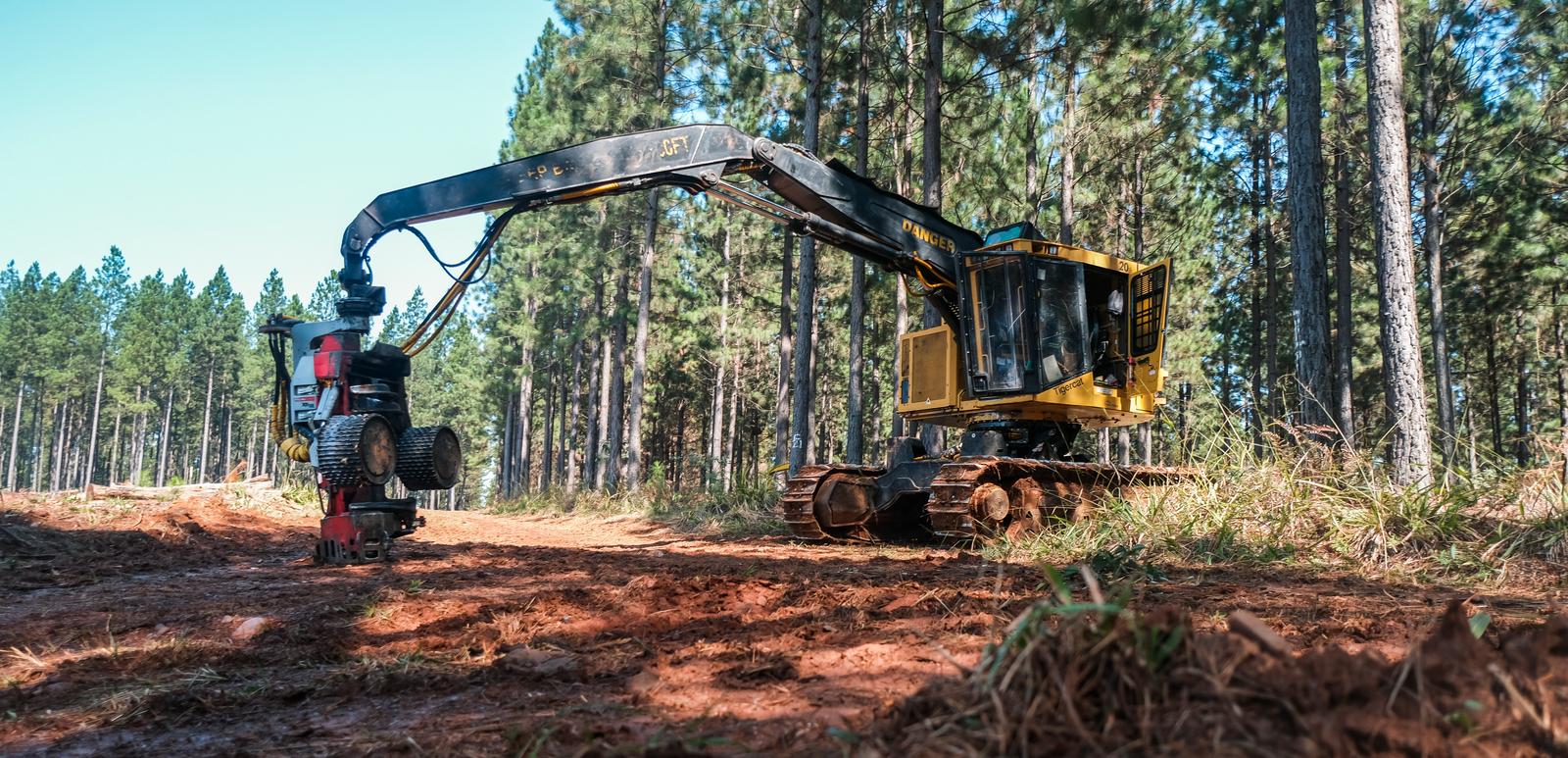 Heritage
Green Heritage Site
A protected site celebrating South Africa's forestry heritage with historical arboretum walks, champion trees, and educational exhibits on the evolution of commercial forestry.
Explore arrow_forward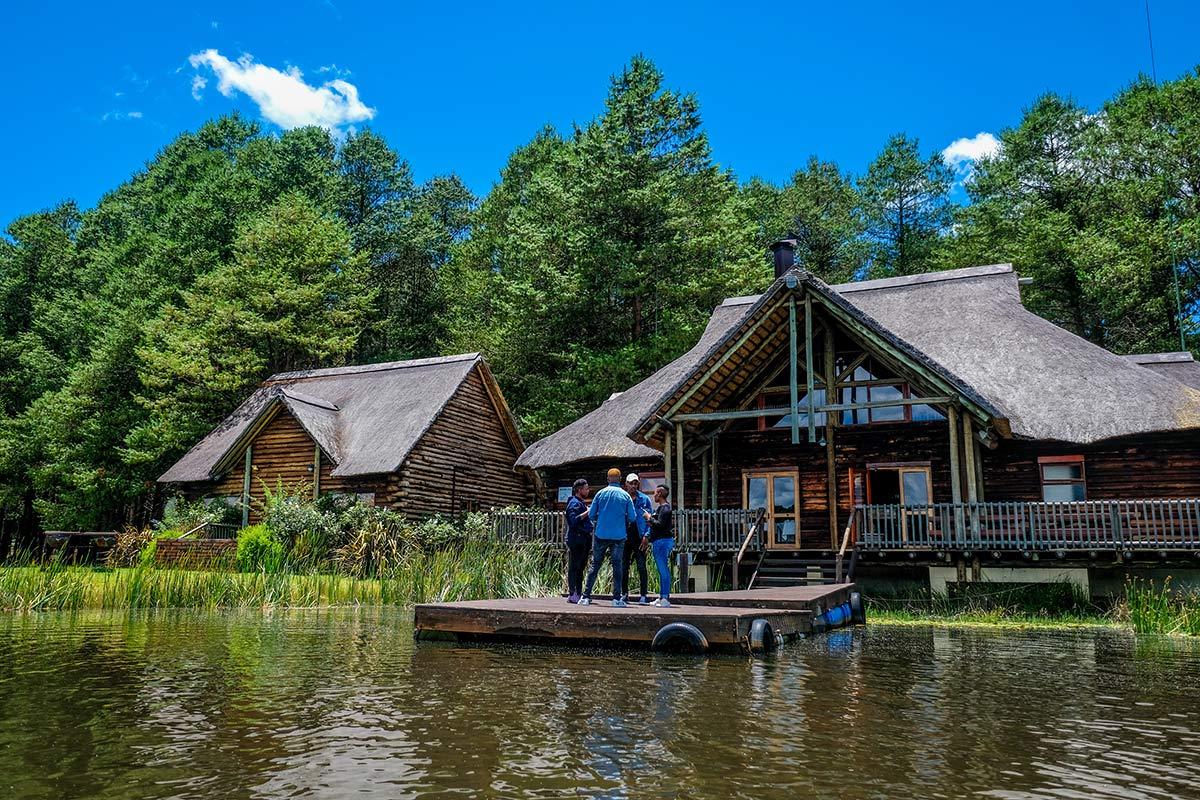 Accommodation
Lakenvlei Forest Lodge
Nestled on the shores of Lake Lakenvlei near Dullstroom, this exclusive forest lodge offers tranquil self-catering accommodation surrounded by wetlands and indigenous grasslands. Perfect for fly fishing, birding, and stargazing.
Book Now arrow_forward
Experience the Forest
Whether you seek a peaceful picnic under ancient trees, an exhilarating hike along the escarpment, or a weekend retreat at Lakenvlei Lodge, SAFCOL's ecotourism destinations await.
Ecotourism Office (Mon–Sun 08:00–17:00, Sabie Forestry Museum — cashless facility): 013 754 2724 · 083 641 3089 · ecotour@safcol.co.za
99% Timber-framed Structures
SAFCOL has invested in social infrastructure projects across Mpumalanga (MP), Limpopo (LP) and KwaZulu-Natal (KZN). 99% of all social infrastructure projects are timber-framed, promoted as an alternative to conventional brick and mortar.
Timber-frame Projects (28)
Conventional Brick & Mortar Projects (10)