
SAFCOL Presents Sustainable Forestry Model at G20 Environment Working Group
SAFCOL showcases its FSC-certified plantation management approach as a model for balancing commercial forestry with environmental stewardship.
Environment & Climate Sustainability Working Group
South Africa holds the G20 Presidency in 2025. As a state-owned forestry enterprise, SAFCOL contributes to the G20 agenda of inclusive growth, sustainable development and a just green economy transition.
South Africa assumed the G20 Presidency on 1 December 2024, becoming the first African nation to hold this pivotal global leadership role. Under the theme "Solidarity, Equality, Sustainability", the presidency places Africa's development priorities at the centre of the global economic agenda.
The G20, representing approximately 85% of the world's GDP and two-thirds of the global population, provides a unique platform for South Africa to champion climate resilience, inclusive growth, and a just transition to a green economy.
Key priorities include reforming global governance institutions, advancing food security, accelerating climate finance mobilisation, and ensuring that the transition to sustainable economies is equitable and leaves no one behind.
G20 Theme
Solidarity, Equality, Sustainability — advancing Africa's agenda on the world stage.
Strengthening global cooperation and ensuring that developing nations have a voice in shaping the international economic order.
Addressing inequality within and between countries, promoting inclusive economic participation and social justice.
Driving the transition to a low-carbon, climate-resilient economy and protecting natural resources for future generations.
As a Schedule 2 State-Owned Enterprise, SAFCOL is uniquely positioned to demonstrate how sustainable forestry contributes to South Africa's climate commitments and G20 environmental sustainability goals.
Timber as a renewable, carbon-sequestering resource supports South Africa's transition to a low-carbon green economy — a key G20 priority under the Environment and Climate Sustainability Working Group.
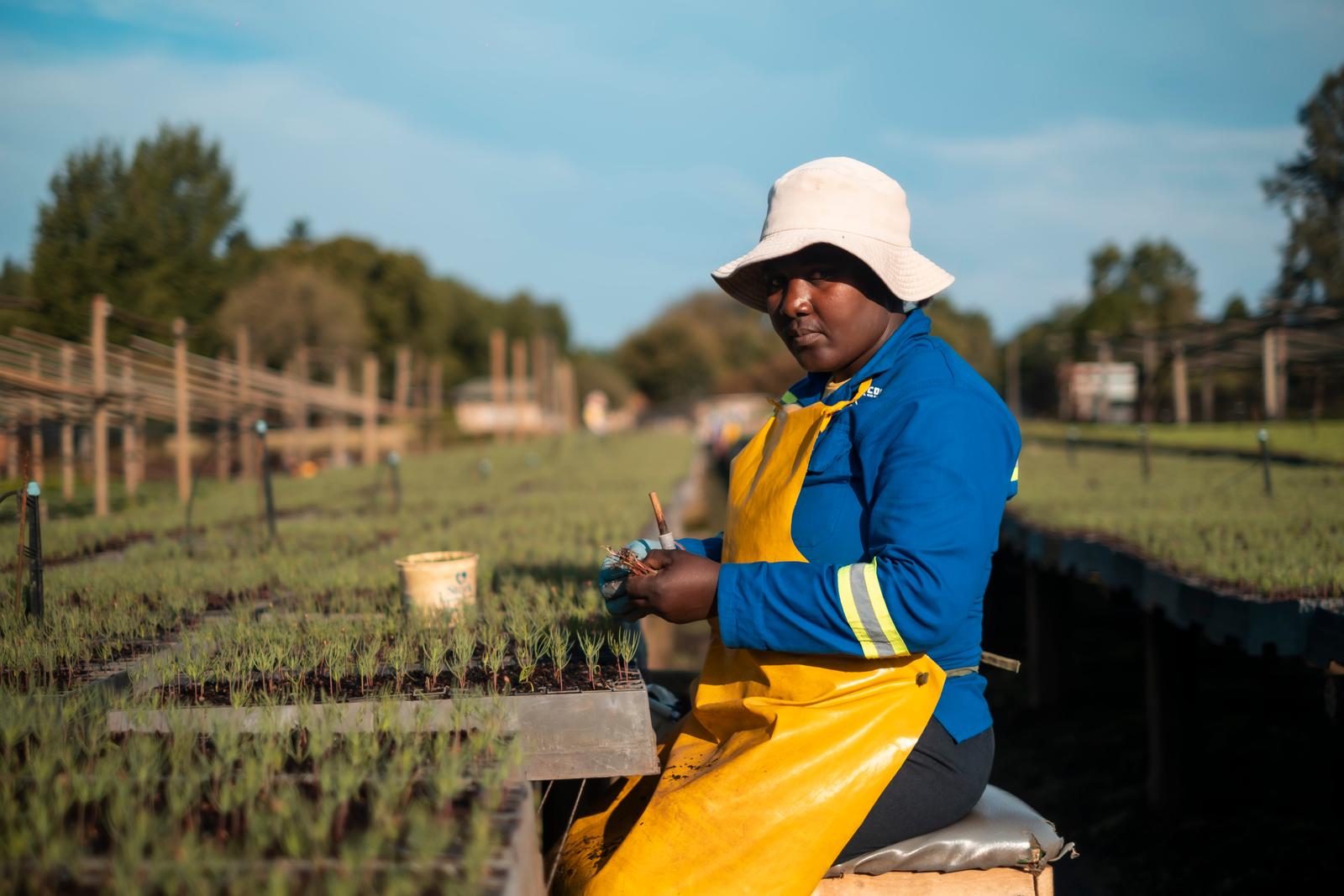
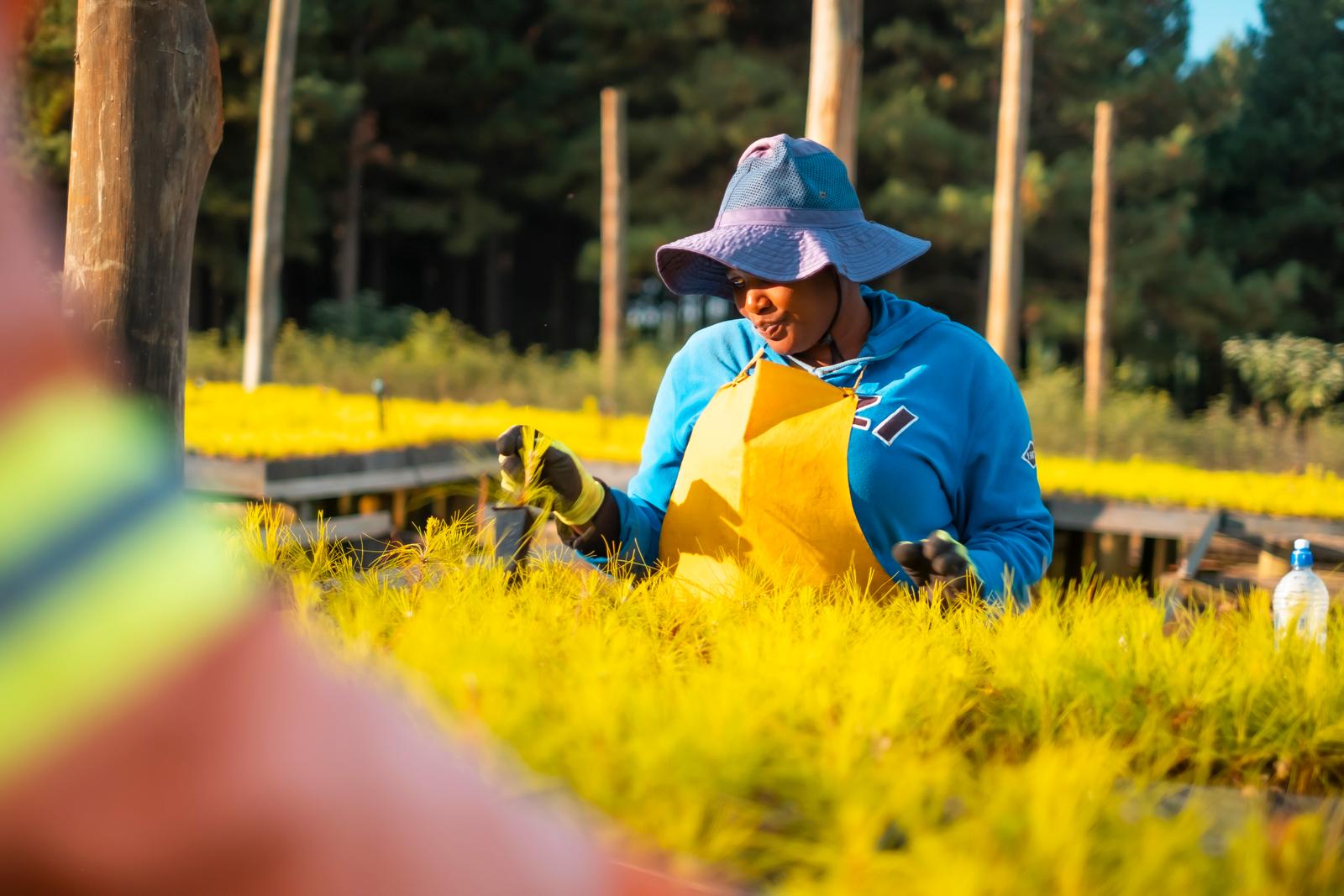
Direct and indirect employment for 5,000+ people, with social investment programmes supporting 20,000+ lives in rural communities across Limpopo, Mpumalanga and KwaZulu-Natal.
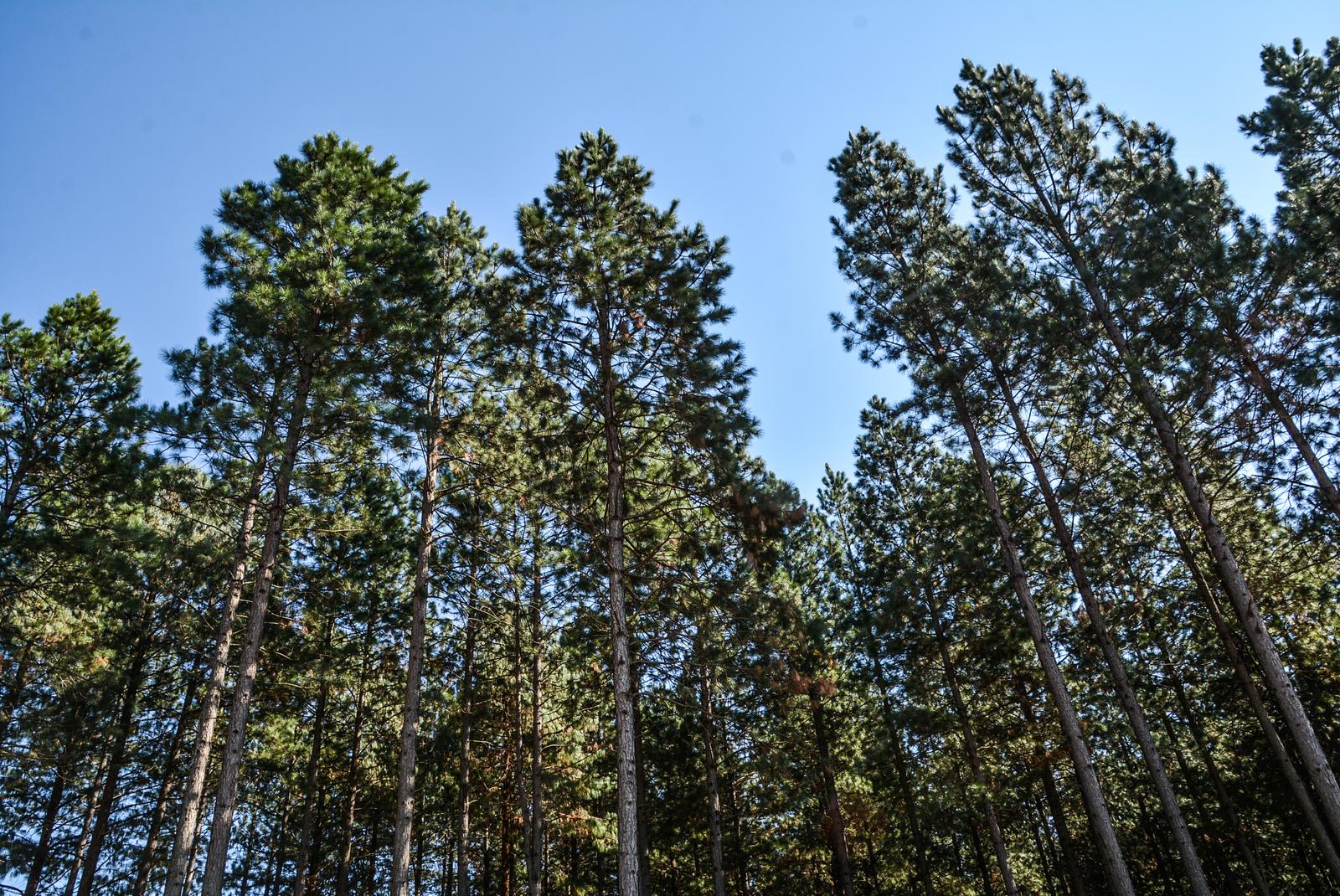
Sustainable plantation management sequesters carbon, preserves biodiversity and contributes to South Africa's nationally determined contributions under the Paris Agreement.
Internationally recognised Forest Stewardship Council certification ensures responsible, traceable timber supply chains aligned with global sustainability standards.
Investing in forestry research, drone-based monitoring, fire prevention technologies and climate-resilient tree species to future-proof South Africa's plantation sector.
Leveraging G20 engagement to strengthen partnerships with global forestry bodies, attract sustainable investment, and share best practices across the Global South.
SAFCOL's work intersects with three critical G20 environmental sustainability themes, positioning the company as a practical exemplar of Africa's green economy potential.
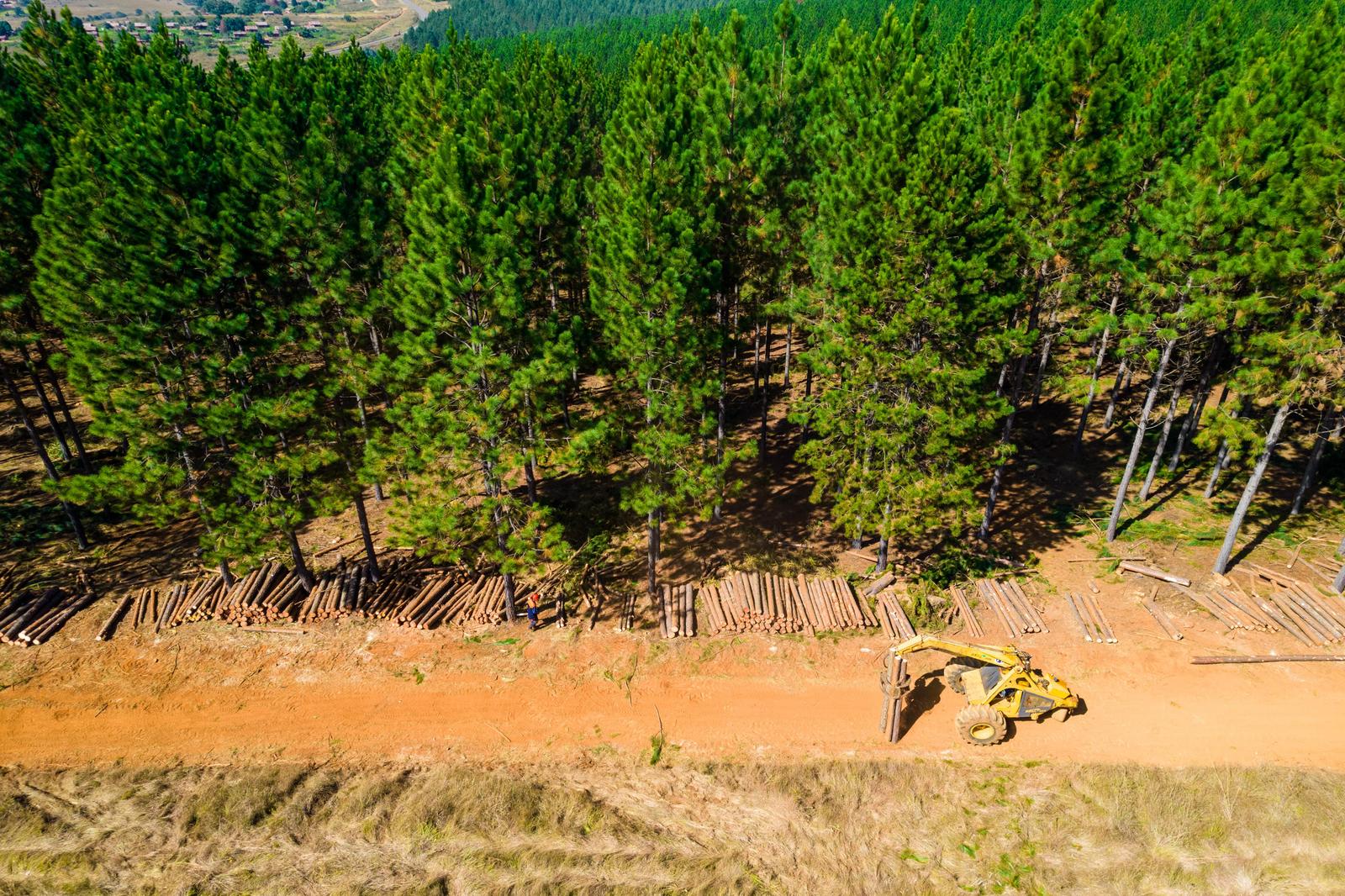
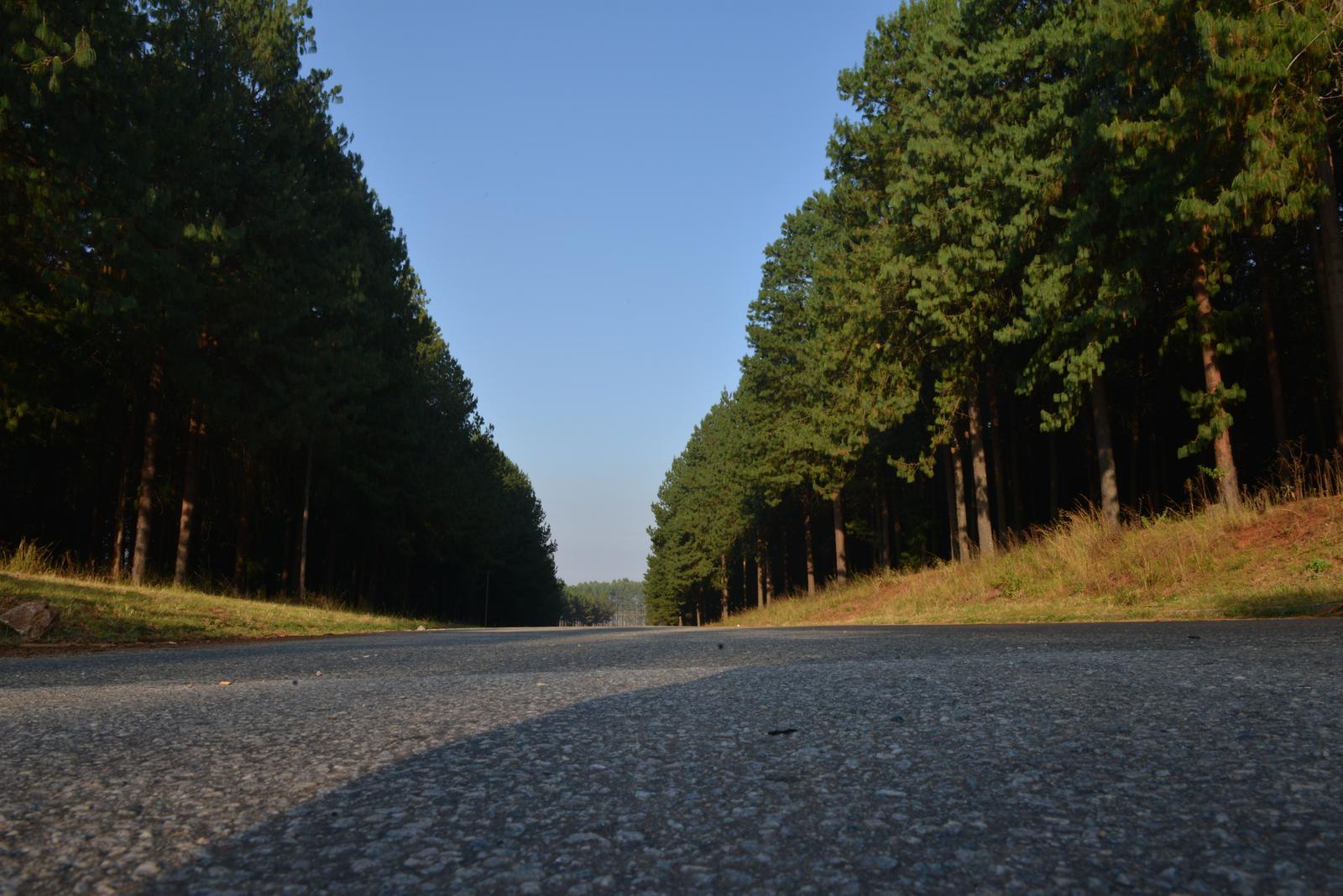
SAFCOL's approximately 187,000 hectares of managed plantations act as significant carbon sinks. Sustainable harvesting cycles, replanting programmes and fire management contribute directly to South Africa's climate mitigation efforts and Paris Agreement commitments.
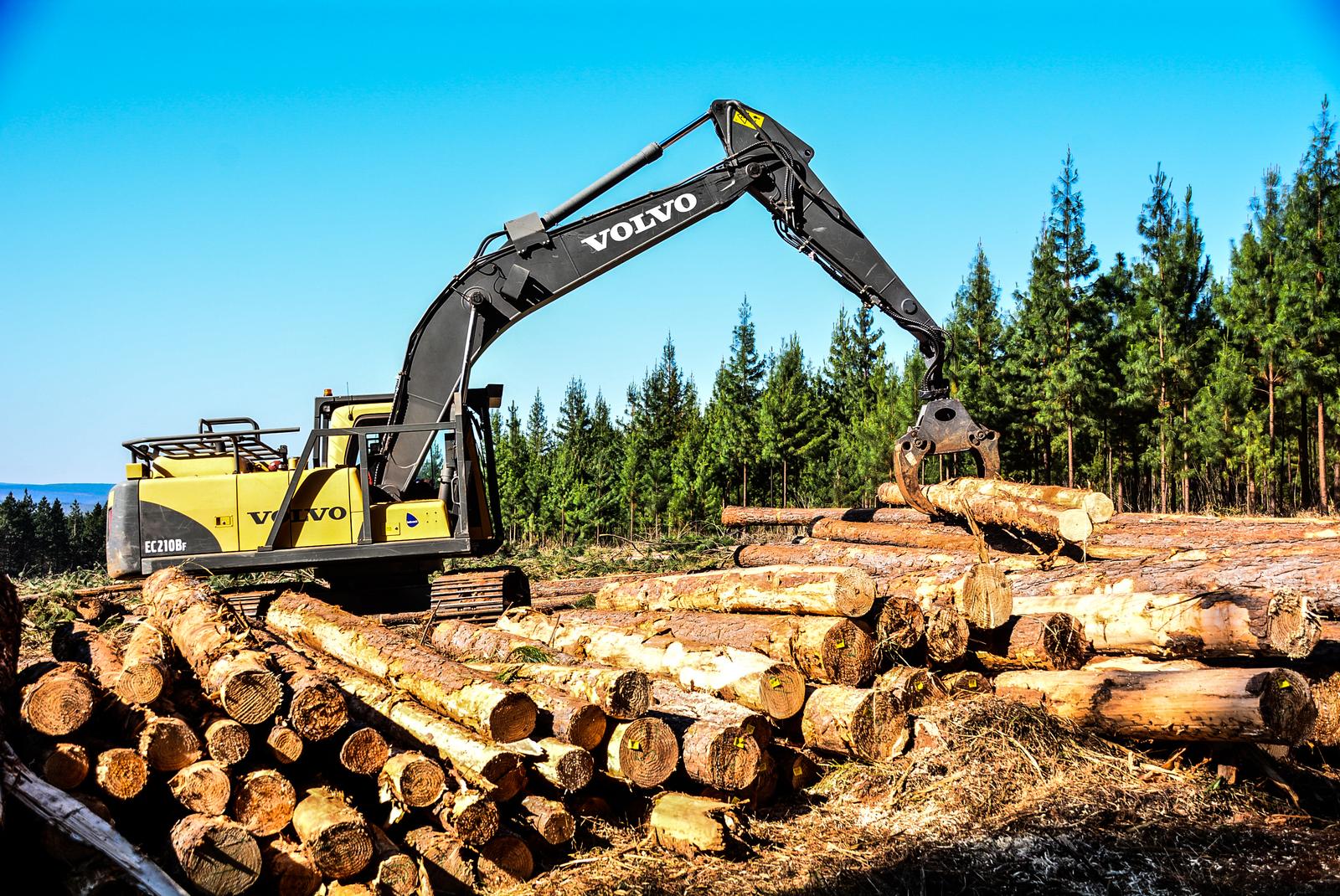
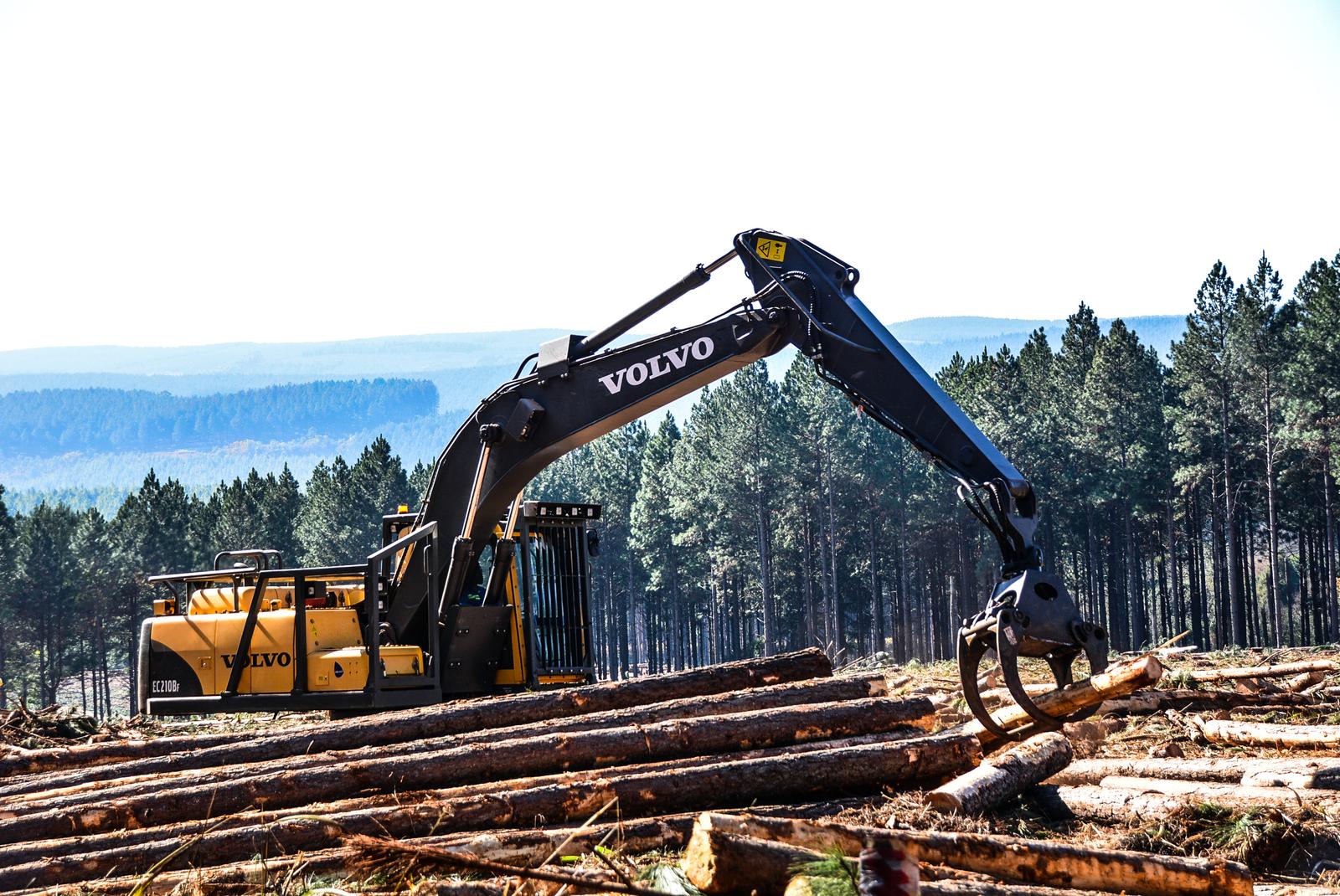
As one of South Africa's largest plantation forestry companies, SAFCOL demonstrates that commercial timber production and environmental stewardship can coexist. FSC certification, responsible land management and long-term replanting cycles ensure forest sustainability.
SAFCOL manages critical biodiversity areas within and around its plantations. Indigenous forest conservation, wetland protection and alien invasive species management safeguard South Africa's rich natural heritage for future generations.
Key dates and milestones in South Africa's G20 Presidency year.
South Africa formally assumes the G20 Presidency from Brazil, beginning a year of global economic leadership and agenda-setting.
G20 Finance Ministers and Central Bank Governors convene in Cape Town to discuss global economic priorities, including climate finance mobilisation.
First meeting of the Environment and Climate Sustainability Working Group, focusing on land degradation, biodiversity loss and the role of sustainable forestry in climate adaptation.
G20 Environment and Climate Ministers convene to advance commitments on emissions reduction, land restoration and nature-based solutions.
A dedicated side event showcasing Africa's green economy potential, including SAFCOL's model of sustainable commercial forestry as a driver of rural economic development.
Heads of State and Government convene in Johannesburg for the G20 Leaders' Summit, culminating South Africa's presidency with landmark declarations on sustainability and inclusive growth.
Access key documents related to SAFCOL's G20 engagement and South Africa's environmental sustainability agenda.
South Africa's G20 priorities and programme outline
PDF — DownloadAnnual sustainability performance and environmental impact
PDF — DownloadSAFCOL's climate commitments and carbon sequestration data
PDF — DownloadSAFCOL's full annual integrated report and financial statements
PDF — Download
SAFCOL showcases its FSC-certified plantation management approach as a model for balancing commercial forestry with environmental stewardship.
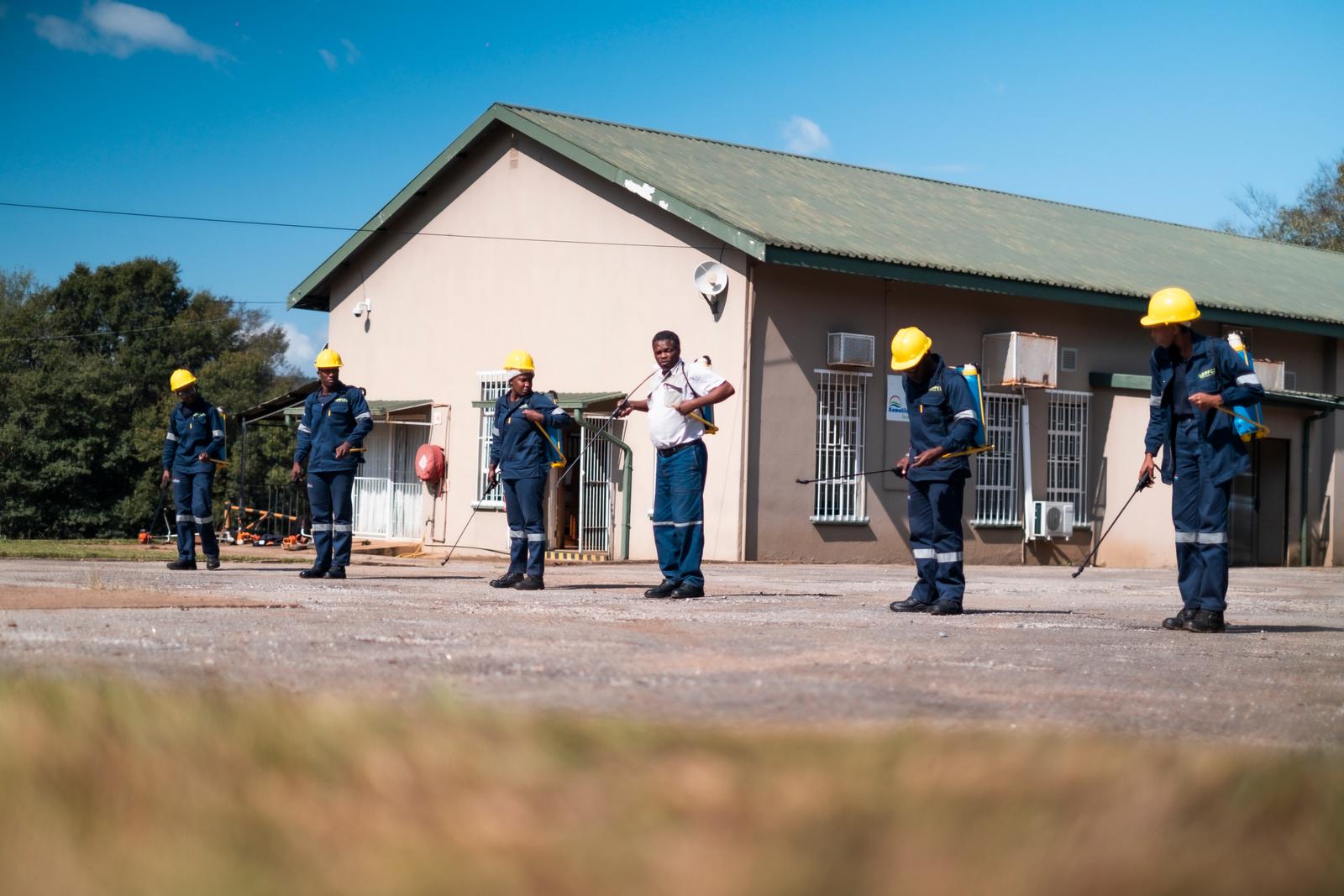
The presidency highlights the role of forests, wetlands and grasslands in Africa's climate adaptation strategy during ministerial discussions.
Rural employment and small business support initiatives in Mpumalanga and Limpopo recognised as examples of inclusive economic growth.
SAFCOL is committed to playing its part in a sustainable, inclusive future — for South Africa, Africa and the world. Together, we can build a green economy that benefits everyone.